
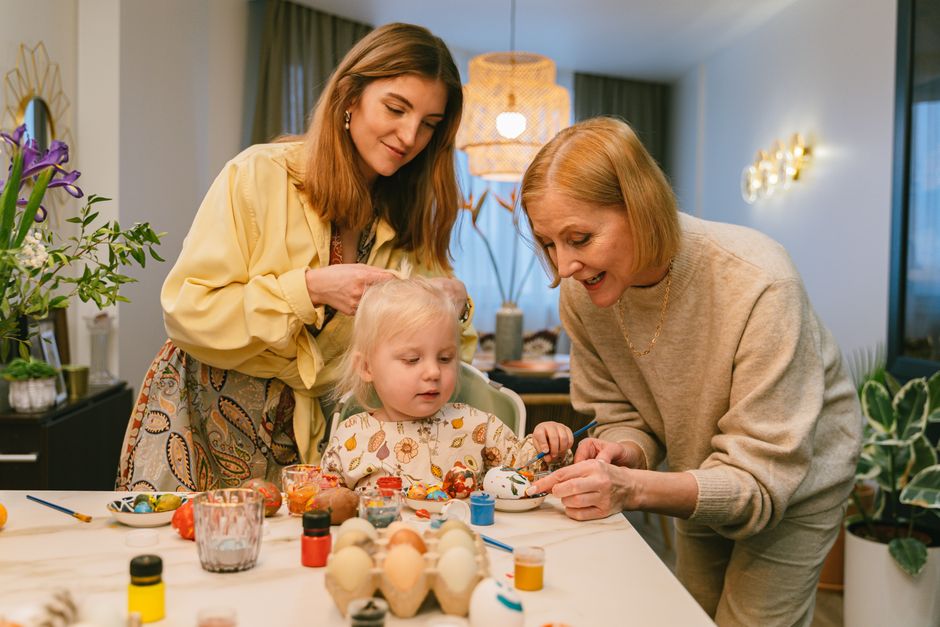
Intergenerational activities bring older adults and younger people together for purposeful conversation, shared projects, games, learning, and community participation. In assisted living, these experiences can support emotional well-being, mental stimulation, physical activity, and a stronger sense of belonging.
For residents and families in West Mifflin, regular interaction across age groups can be especially meaningful during seasons when weather, transportation, or health concerns limit outside activities. A well-planned visit or program does more than fill time; it can help residents remain connected to everyday community life.
What are intergenerational activities?
Intergenerational activities are organized or informal experiences involving people from different age groups. In assisted living, they may include children, teenagers, younger adults, families, volunteers, and older residents.
Examples include:
- Reading together or exchanging stories
- Arts and crafts projects
- Gardening with raised planters or indoor containers
- Board games, puzzles, and card games
- Music, singing, or simple movement activities
- Cooking demonstrations and recipe sharing
- Technology lessons led by younger participants
- Oral-history projects about local traditions and family life
- Seasonal celebrations and community service projects
The most effective activities give everyone a meaningful role. Older adults should not be treated only as spectators, and younger participants should not be viewed simply as visitors. Both groups can teach, create, ask questions, and contribute.
How do these activities benefit assisted living residents?
The benefits are social, emotional, cognitive, and sometimes physical. Results differ from person to person, but regular positive interaction can make daily life feel more purposeful and connected.
Reduced loneliness and greater emotional connection
Loneliness is not simply the same as being alone. A resident may spend time around others but still feel disconnected. Intergenerational activities create opportunities for personal attention, laughter, conversation, and shared memories.
A short visit may be meaningful when it includes genuine listening. A child asking about a resident’s favorite childhood game, for example, can open a conversation about family, work, music, or important life events.
These exchanges may also help residents feel noticed and valued. That sense of recognition can be particularly helpful for people who have experienced changes in health, mobility, housing, or family routines.
Mental stimulation through conversation and learning
Conversation across generations often introduces fresh questions and new subjects. Residents may explain how household tasks, transportation, schooling, or communication changed over time. Younger visitors may share current hobbies, technology, books, or school experiences.
This type of exchange can encourage:
- Memory recall
- Word finding and storytelling
- Problem-solving
- Attention and turn-taking
- Flexible thinking
- Curiosity about unfamiliar subjects
Activities should be adapted to each resident’s abilities. A person with memory loss may participate successfully through music, familiar objects, sensory activities, or short conversations, even if a lengthy group discussion is difficult.
A stronger sense of purpose
Many older adults want to continue contributing, not merely receiving care. Intergenerational programs can make that possible by allowing residents to serve as mentors, storytellers, artists, teachers, judges, advisers, or supportive listeners.
A resident who once worked with tools may demonstrate a simple craft. Someone who enjoys gardening may explain how to start seeds. A former teacher may read with children or help organize a word game. These roles reinforce identity and personal strengths.
Purpose does not require a large project. A resident helping a young visitor choose colors for a drawing may feel just as engaged as someone leading a formal lesson.
Do younger people benefit too?
Yes. Intergenerational activities can help younger participants develop patience, communication skills, empathy, and a more realistic understanding of aging.
Children may learn that older adults have varied personalities, interests, abilities, and experiences. Teenagers can gain confidence through conversation and leadership roles. Young adults may better understand the practical realities of caregiving, accessibility, and family history.
These encounters can also challenge common misconceptions. Aging does not mean that a person has no interests, opinions, humor, or ability to learn. At the same time, older adults may have different energy levels, hearing abilities, or communication needs. Respectful interaction helps both groups adjust without embarrassment.
Which activities work well for residents with different abilities?
The activity should match the resident’s interests, energy, communication style, and physical abilities. A single program may offer several ways to participate.
For example, a gardening session could include:
- Planting seeds for residents who can use their hands comfortably
- Sorting seed packets for people who prefer a seated task
- Smelling herbs for residents who enjoy sensory experiences
- Talking about past gardens for those who prefer conversation
- Watching or encouraging others for residents with limited mobility
Short, predictable activities are often easier than long events. Clear instructions, comfortable seating, good lighting, and reduced background noise can make participation more enjoyable.
For residents with dementia or hearing loss, eye contact, simple questions, visual demonstrations, and extra response time may help. Visitors should avoid correcting every detail or turning the conversation into a test. The purpose is connection, not performance.
How can families participate without making visits overwhelming?
Family visits can be more successful when they focus on one shared activity rather than trying to fill an entire afternoon. A familiar card game, photo album, simple craft, or favorite song may provide a natural structure.
Families can help by:
- Choosing a time when the resident is usually alert
- Limiting the number of visitors if crowds cause fatigue
- Bringing large-print photos or easy-to-handle objects
- Allowing quiet breaks
- Asking open-ended questions
- Avoiding pressure to remember names, dates, or details
- Watching for signs of tiredness, frustration, or overstimulation
In colder months, indoor activities can provide social contact without requiring difficult travel. During warmer weather, shaded outdoor seating, container gardening, or short walks may offer a change of scenery while still allowing residents to rest as needed.
What makes an intergenerational program respectful and safe?
Good planning protects dignity, comfort, privacy, and physical safety. Activities should be voluntary, and residents should be able to leave or observe without being criticized.
Organizers should consider:
- Hand hygiene and illness policies
- Safe seating and accessible pathways
- Allergy, dietary, and sensory concerns
- Appropriate supervision of children and vulnerable adults
- Permission before taking or sharing photographs
- Conversation topics that respect privacy
- Noise levels and the length of the program
- Transportation and weather conditions
Children should receive simple guidance before participating. They can be taught to speak clearly, wait for responses, ask before touching mobility equipment, and understand that some residents may communicate differently.
Safety does not require making activities sterile or overly formal. It means removing preventable barriers so participants can focus on the experience.
What are common misconceptions?
One misconception is that intergenerational activities must involve large groups. In practice, one resident and one visitor may have a more meaningful exchange than a crowded event.
Another misconception is that younger people must entertain older adults. The strongest programs are reciprocal. Residents share knowledge and perspective, while younger participants bring curiosity, creativity, and their own experiences.
It is also a mistake to assume every older adult enjoys the same activities. Some prefer conversation, while others enjoy music, quiet observation, hands-on work, or structured games. Choice is a central part of respectful participation.
Intergenerational activities are most valuable when they become a consistent part of community life rather than an occasional performance. Even brief, well-matched moments of connection can support identity, learning, and belonging for people of every age.
